The Antsy Bench
Role: Research, Design, Stakeholder Collaborations, Service Design Ops
Context: Heijmans, landscape architect, Quality Assurance Committee, Ecologists, TU/e, Utemaru
Methods: Observations, Synthesis, Analysis, Prototyping, Testing
Outcome: Process Methodology Framework & 3D concept
Status: Public Space Proposition
This project promotes inclusivity in public spaces by reimagining outdoor furniture design through a multispecies perspective. In collaboration with Utemaru, a nature-inclusive design organization, it integrates both ecological and business insights. Originating as a critique of biodiversity exclusion and human-centered hierarchies, the project evolves into a a public-space proposition built from ecological, user and operational needs.
Public outdoor furniture is typically designed around human comfort and maintenance, even in biodiverse spaces where ecological life is already present. The project explored how TU/e’s green space could support both human and nonhuman needs It presents not only an alternative design approach but also a tangible step toward reframing how public life is materially shaped.

Standard public outdoor bench
VS

Can a public bench support human rest while acknowledging other species already living there?
Inclusive seating system
Challenges
Challenges were identified from three key perspectives — TU/e, the biodiverse green space, and Utemaru—which together helped frame the project.
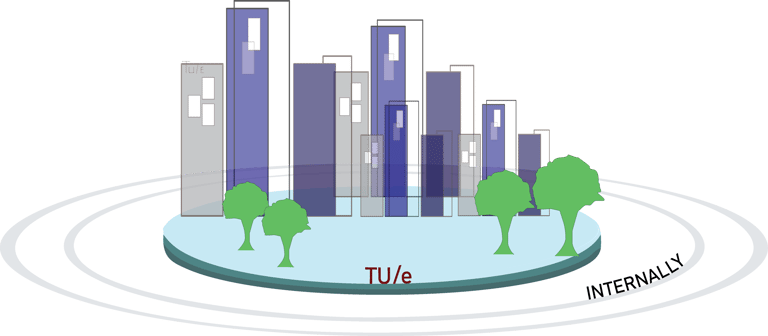
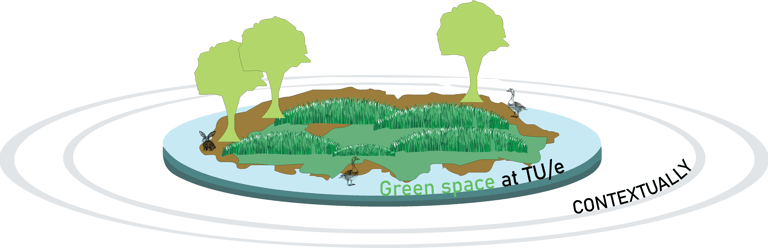
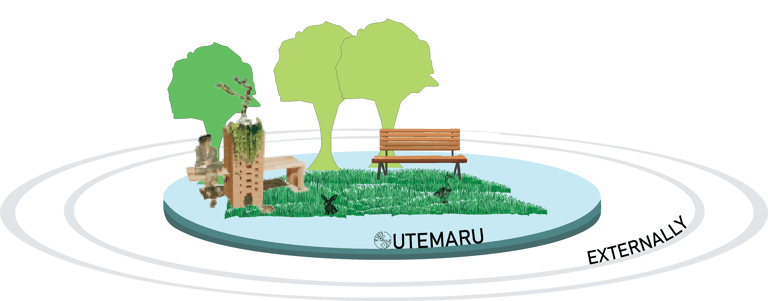
Redefining human–nature sustainability relations
Confronting the oversight of biodiversity
Imbalance of agency between humans and ecological needs
This defined the project’s scope as expanding TU/e’s and Utemaru’s ecological approach to more explicitly address diverse needs, while balancing business considerations with user requirements.
How might a modular public bench balance human use, biodiversity, maintenance and organisational feasibility in TU/e’s green space?
Scope
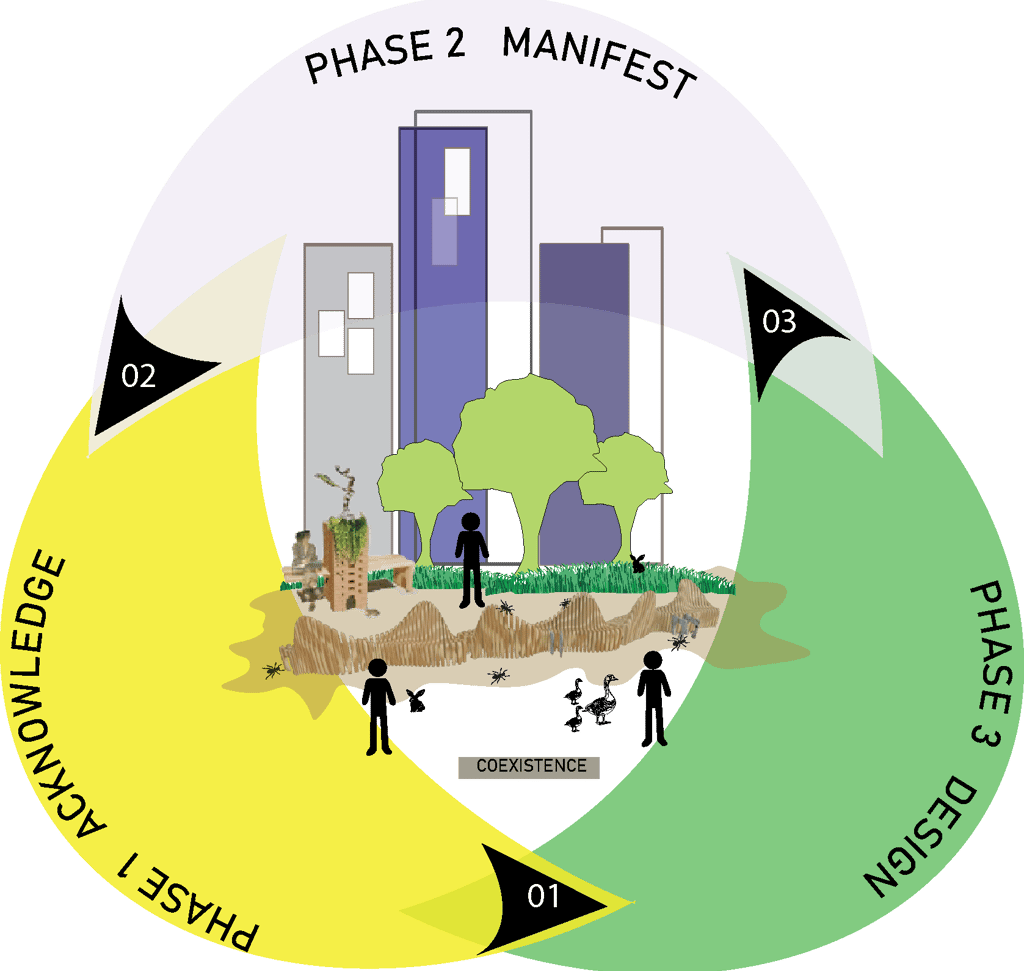
I used an iterative three-phase process to connect ecological observation, sensory material testing and strategic design. Each phase generated insights that shaped the next: learning from ants and the site informed material exploration; user responses and stakeholder requirements then informed the modular bench proposition and AR experience.
Approach
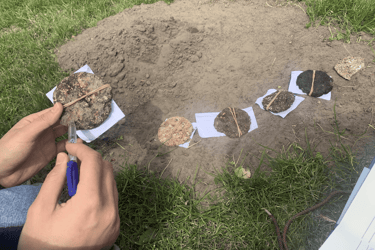
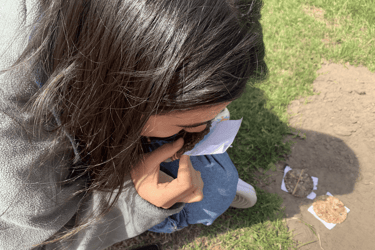
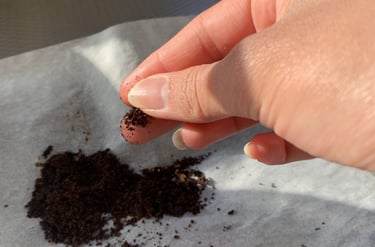
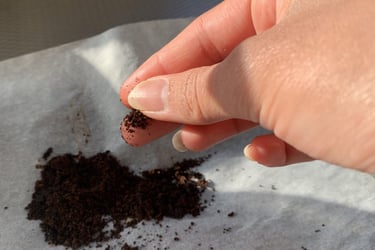
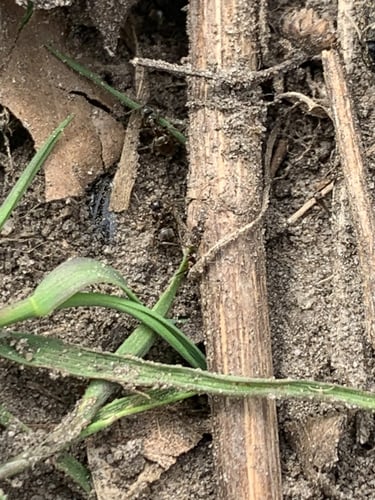
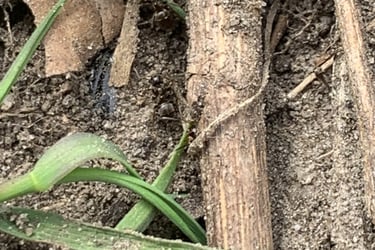
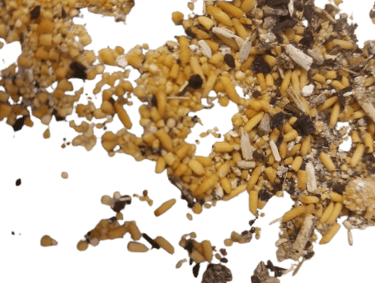
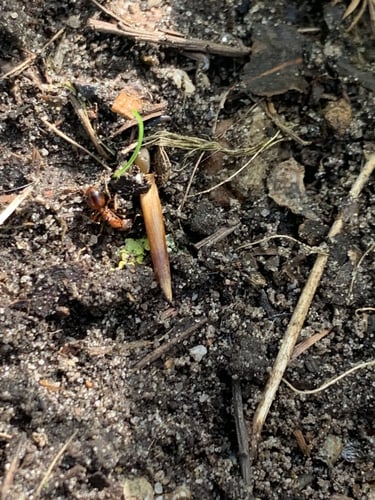
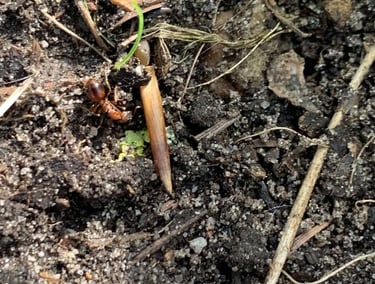
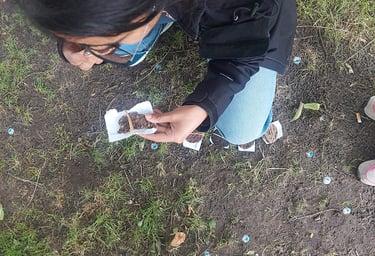
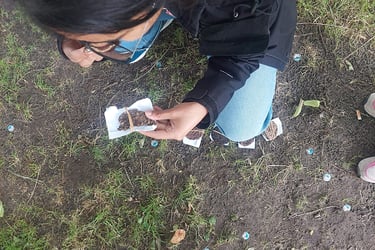



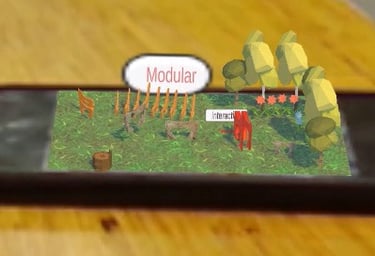
Conducted observations to develop a closer relationship with black garden ants. Spoke to an expert, acquired scientific information.
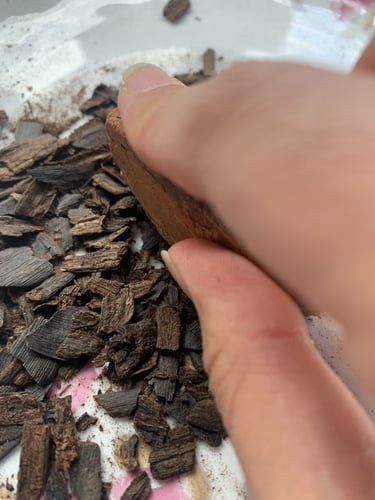
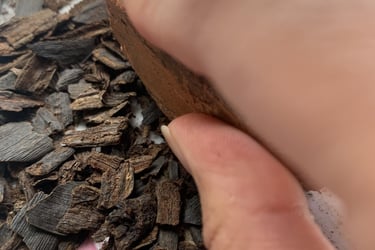
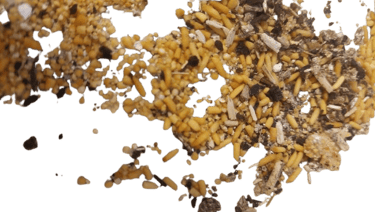
Translated these findings into food-based material samples. Selected materials based on texture, smell and sight. Validated them through six user-tests
Strategic thinking invites consideration of the broader context to achieve desired outcomes. The AR experience effectively communicates making the experience tangible for any future developments
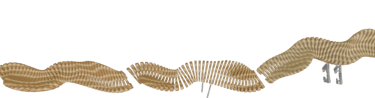
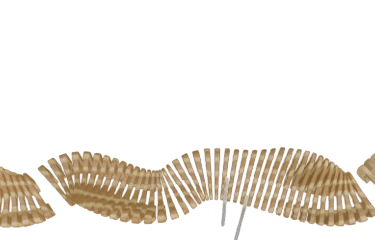
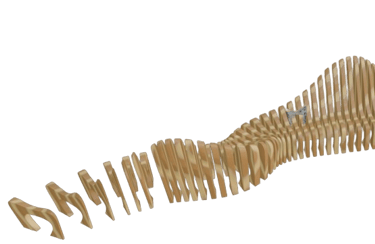
Designed a parametric bench based on insights from all stakeholders. The material was chosen based on student's opinion insinuating curiosity and invitation.
01
02
03
03

Proposition
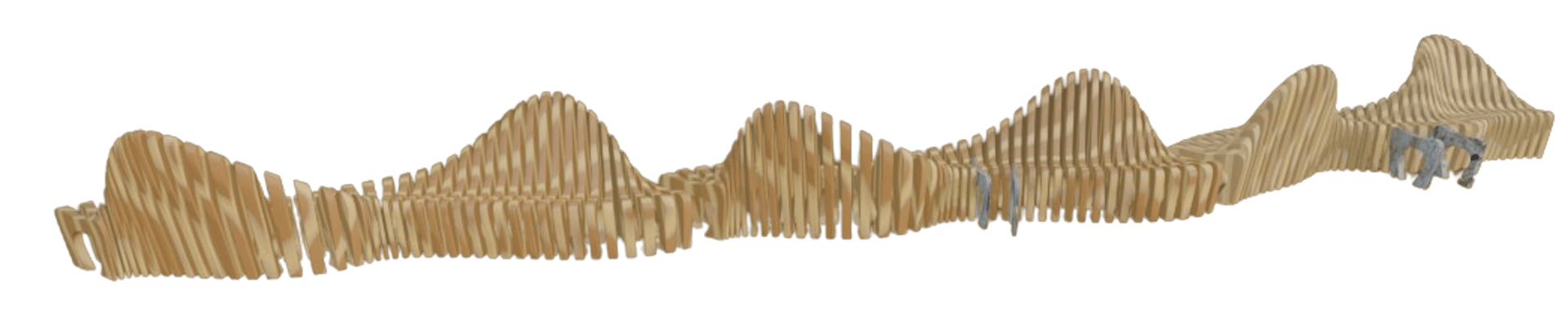
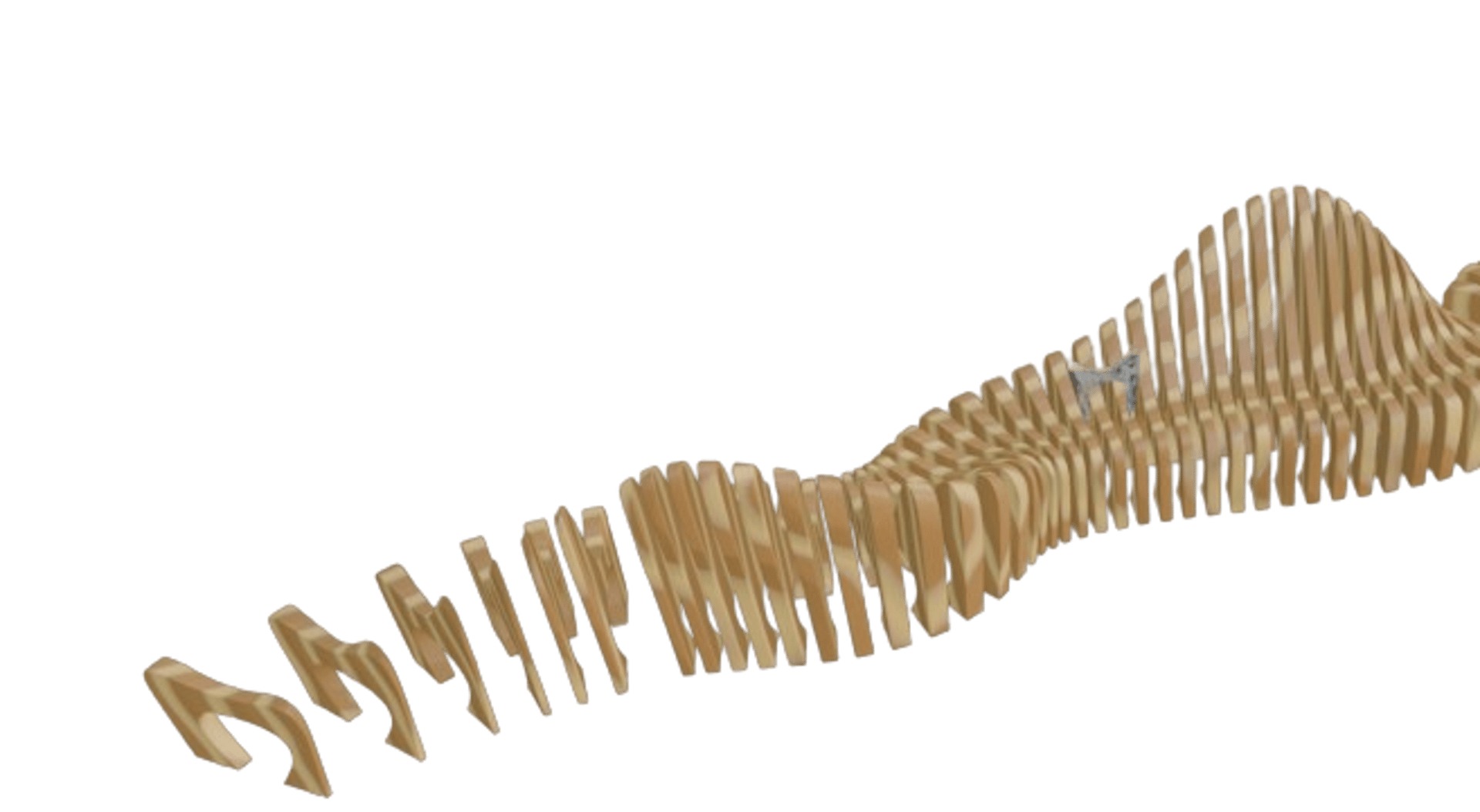
The project led to Antsy Bench, a modular, nature‑inclusive bench concept for TU/e’s green campus that brings human and nonhuman needs into one design. Inspired by black garden ants, the wooden structure uses movable modules supporting flexible seating, easier maintenance, while natural-material elements and small habitat opportunities invite people to notice and share the space with other species. A complementary process framework for Utemaru translates these insights into practical guidelines for future public furniture that balances biodiversity, user experience, and operational constraints.


