ECO FLO FU: A study of (re-)establishing a human – nonhuman connection
Role: Researcher, Data-enabled designer, and prototype developer
Context: TU/e green space
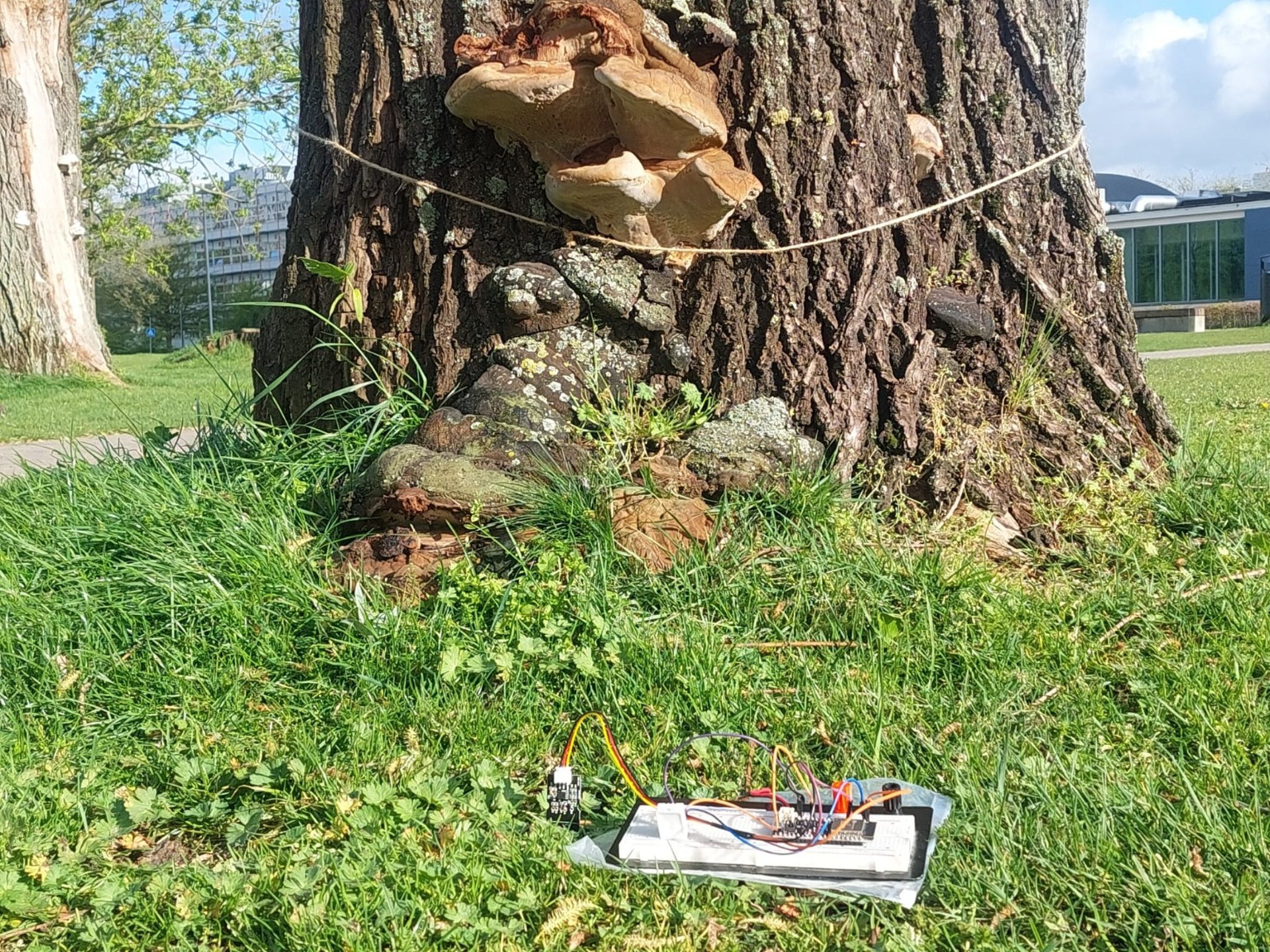
I studied a decaying willow tree, its fungi and surrounding insects to explore what becomes visible when qualitative field observation is read alongside environmental data. The project resulted in a sensing probe, a physical data visualisation and an anthology manifesto for designers.
Methods: Multispecies auto-ethnography, systematic logging, qualitative coding, quantitative observations, IoT setup, data analysis
Outcomes: Environmental sensing probe, physical data visualisation module and anthology manifesto
Status: Research-through-design
Challenge
Despite being located in a biodiverse TU/e green space, the decaying willow and the life around it were easily overlooked by passers-by. I wanted to understand what sustained attention could reveal, and whether technology could support, not replace, this way of noticing
Scope
Decay
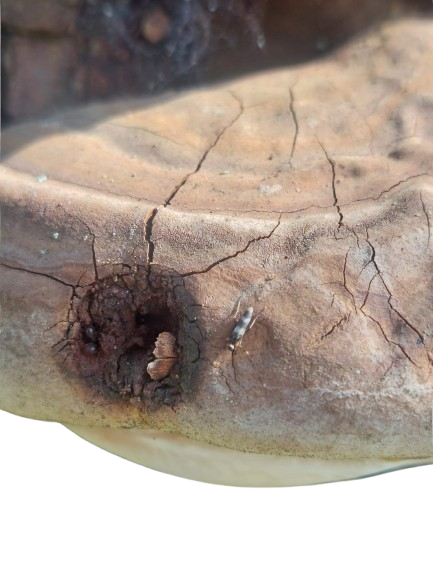
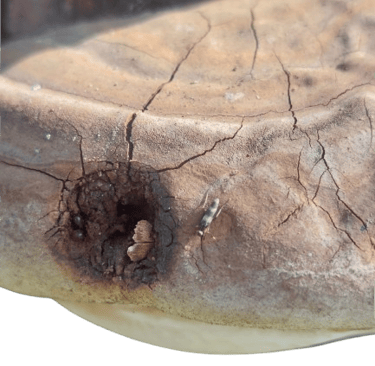
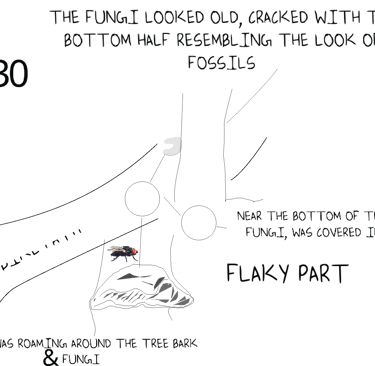
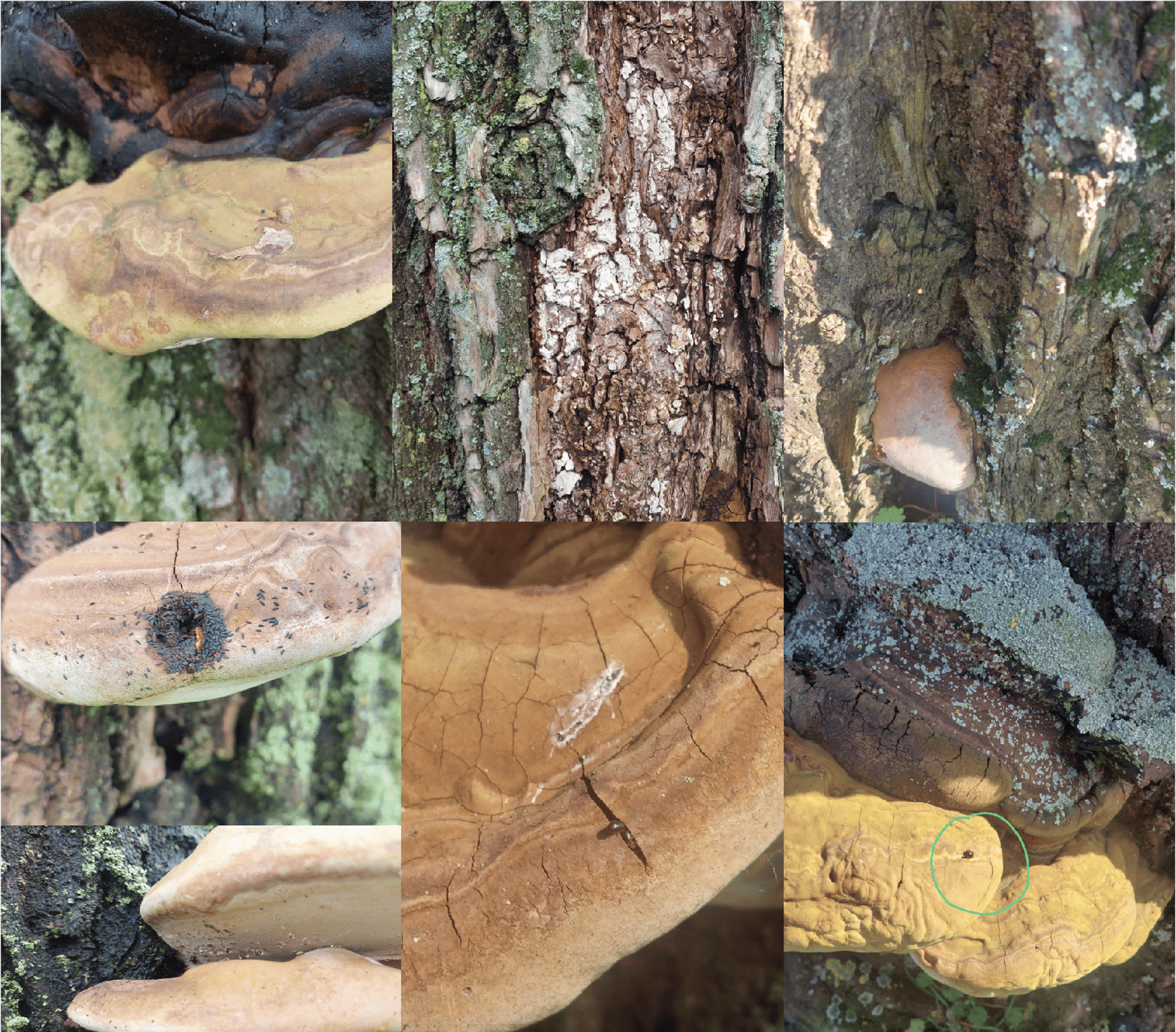
The willow tree was affected watermark disease and sprouted hoof fungus. Across repeated visits, I documented fungi, insects, bark, soil and weather conditions. I followed selected environmental variables: temperature, air humidity and moisture around the bark, soil and fungi, to explore patterns in decompositio
Insect activity
Moss & Lichen
Changing weather conditions
Design
How might qualitative noticing and environmental sensing be combined to help designers interpret and respond to a local ecology?
From field traces to data traces
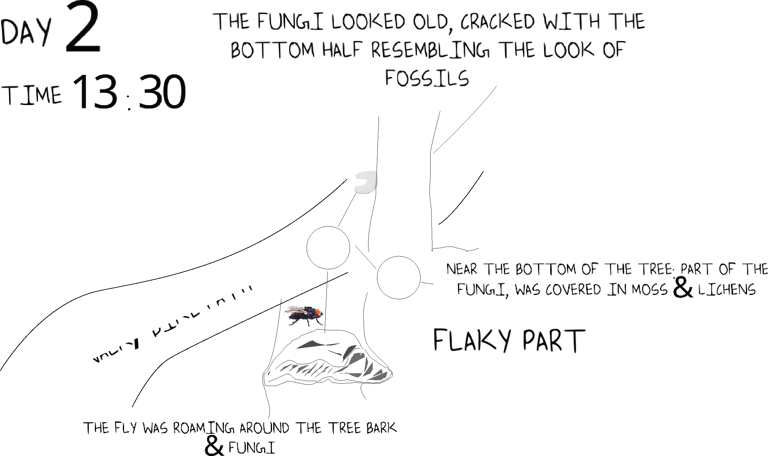
I combined two forms of inquiry. First, I made repeated field observations through walks, sketches, photography and systematic logs. Second, I built a custom ESP32 probe using temperature, humidity and moisture sensors to extend what I could observe. I compared sensor readings with coded field observations to identify patterns and possible relationships between weather, moisture, fungal appearance and insect activity.
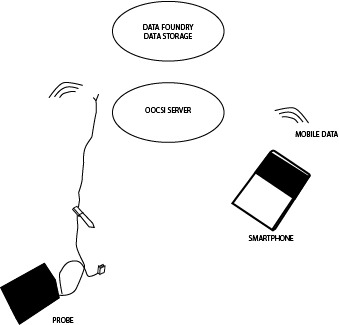
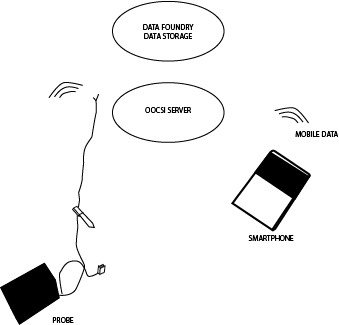
Bark & Fungi moisture sensor
Soil moisture sensor
Temperature and humidity sensor
Cloud Logging
Field Traces
Data
Walks, Sketches, Photos, Observatory notes
Temperature, Humidity, Moisture
Interpretation
Patterns, Themes Questions, Reflections
Data visualisation module + manifesto
Tangible Outcomes
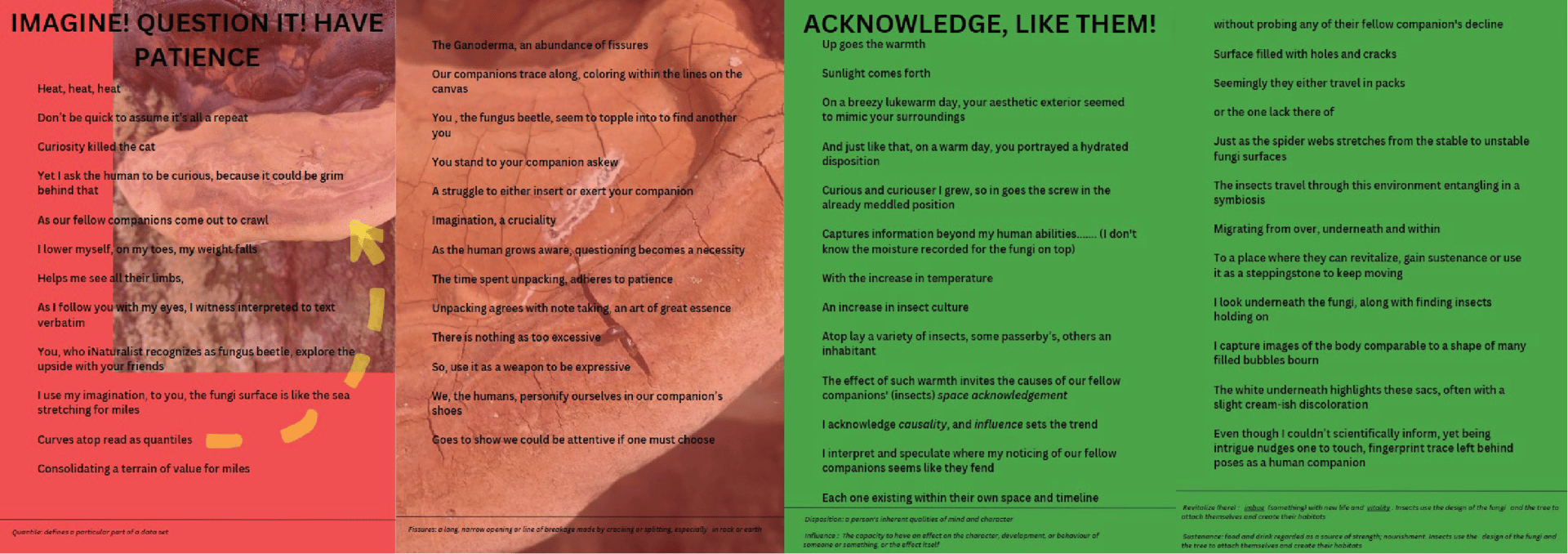
From interpretation to communication
Rather than presenting the data as a neutral dashboard, I translated it into two connected outcomes: a physical data visualisation that made environmental variables tangible, and an anthology in a manifesto form that turned field observations into prompts for reflection.

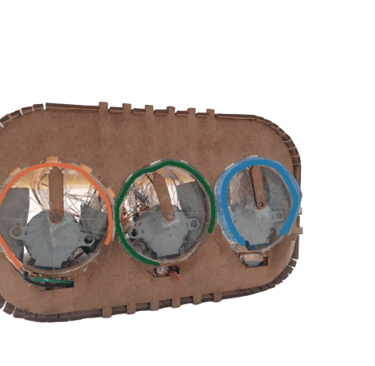
A three-dial physical module representing temperature, fungi moisture and tree-bark moisture, using movement and colour to make relationships between environmental conditions easier to notice
A set of 19 poems that translated observations, interpretations and questions from the site into directives for designers and researchers.