Role: Researcher, User Experience Designer, Product/ Interaction Designer
How might self-directed-learning goals become clear, adaptable actions that students return to throughout a project?
PeakQuests
Context: TU/e Industrial Design Bachelor Dept.,
Methods: Interviews, thematic analysis, ideation, physical-digital iterative prototyping, user testing & validation, survey design.
Outcome: Tested hybrid toolkit concept for setting, tracking and reflecting on learning goals
Status: First stage student design project
PeakQuests is a hybrid physical-digital toolkit for TU/e Industrial Design students. It supports goal setting, planning, reflection and reassessment through modular learning-activity tiles and a playful digital companion, making self-directed learning tangible and motivating.
TU/e students set Personal Development Plan goals, often using SMART criteria, but interviews showed that many struggled to keep track of them, assess their progress and adapt them as their projects changed. Students needed more guidance to turn a broad goal into manageable learning activities, without losing flexibility.
Challenge
Insight
Research and Insights: Where the process breaks down
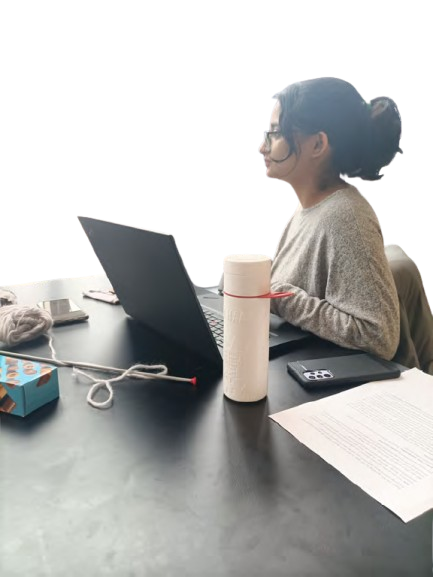
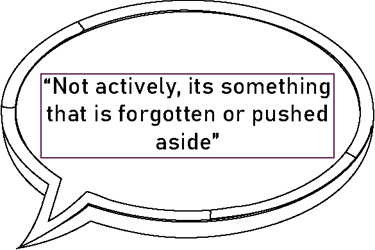
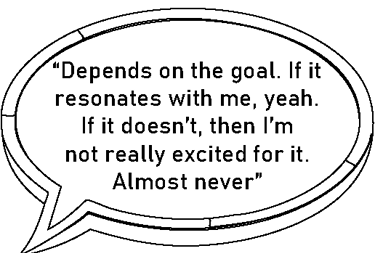
We interviewed seven first- and second-year Industrial Design students and explored first-person and user scenarios. Students described difficulty breaking goals into steps, uncertainty about whether goals were sufficiently specific, weak reminders and limited support for reflection.
Implication
Goals were not revisited consistently
Provide playful interactions, competitiveness, recurring moments to return to the learning path
Students lacked a clear route from goal to action
Help students construct a sequence of learning activities
Implication
Insight
Insight
Students needed flexibility as work evolved
Make activities and goals editable rather than fixed
Implication
Design Question
How can a toolkit help students build, manage and reflect on adaptable learning paths without making self-directed learning feel like another administrative task?
Followed a structured user-centered process: empathize with users, define problems, brainstorm ideas, prototype, test. Iteration 1 tested physical learning path tiles with a simple digital companion. Iteration 2 added a mountain-map interface with game challenges based on learning taxonomies.
Three Iterations




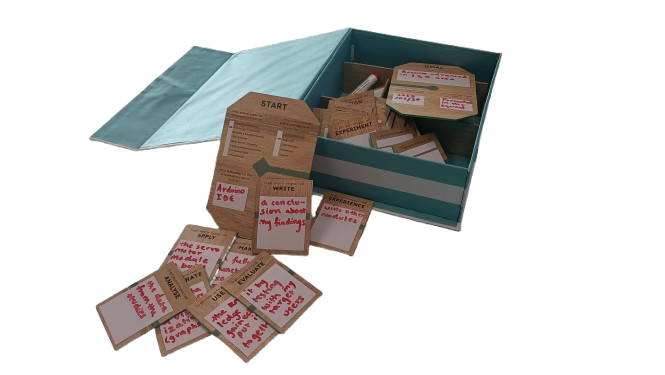
We used modular physical tiles to help students break a learning objective into activity steps, checkpoints and a final goal. The tangible format was intended to make the path visible, adjustable and discussable
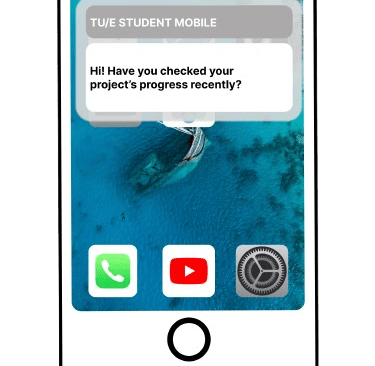
The application aims to remind students of their goals with pop-up messages on multiple occasions throughout the semester.


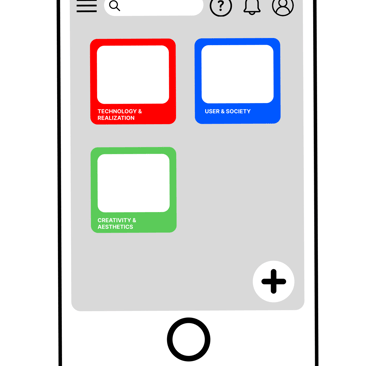
Introduced a mountain-map metaphor, drawing on learning-taxonomy principles and playful elements such as discovery and challenge. Students could arrange activities and see progress as a journey.
The physical route created an overview, but the phygital interaction still needed to be effortless and the activities needed clearer guidance.
Feedback leading to 2nd Iteration
To facilitate the goal setting process for the student, a set of questions was defined, which can generate a learning path when answered.

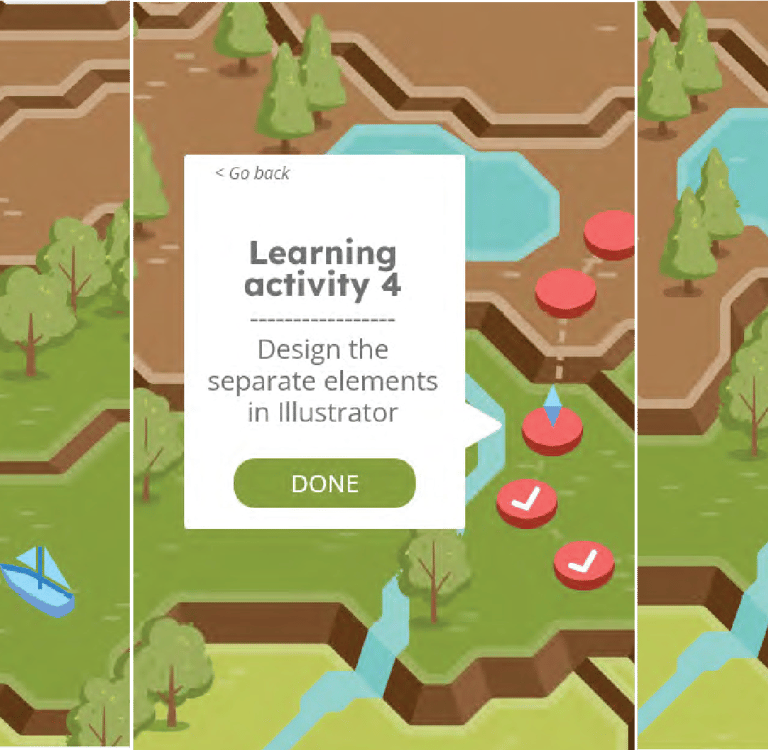
Comply with the aesthetics of the physical element. This means that the digital prototype is also depicted as mountains
Feedback leading to 3rd Iteration
User testing found the verbs unclear, the theory too time-consuming to explain. A diary study also suggested the daily checkup through the app was unnecessary.
01
02
03
Final Concept
Students use a START tile, GOAL tile and learning-activity verb tiles to construct a pathway. They scan the physical configuration into the digital tool, where the path becomes an editable, playful journey with reflection, assessment and challenge moments. Small edits can be made digitally; major changes prompt students to revisit and rescan the physical route.

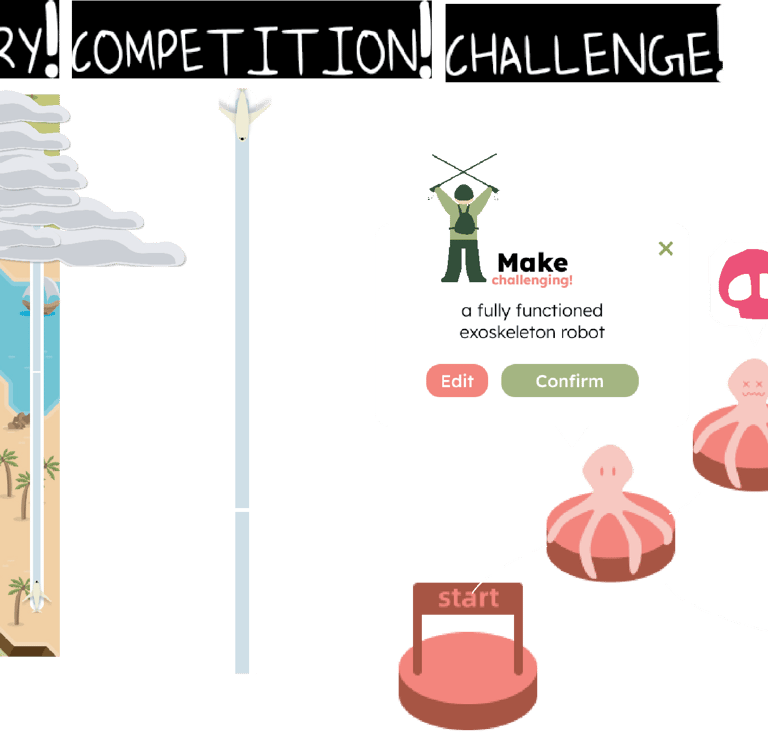
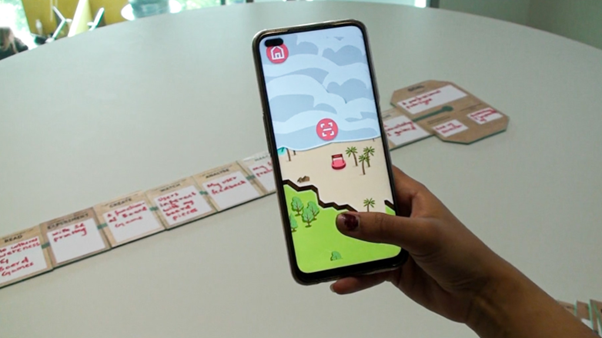
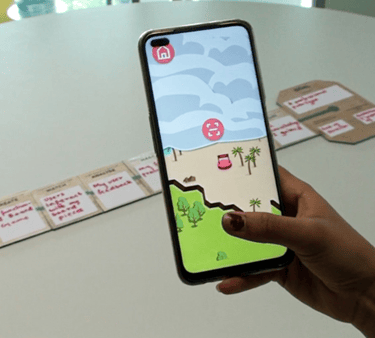
The figma-based UI design added a playful, competitive and learning element beyond goal-setting. Testing the previous iterations showcased the mundane unsuprising trajectory of development revealed boredom, disengaged and confused mindset. The playful elements probes engagement, holds focus and provides opportunity for change.


